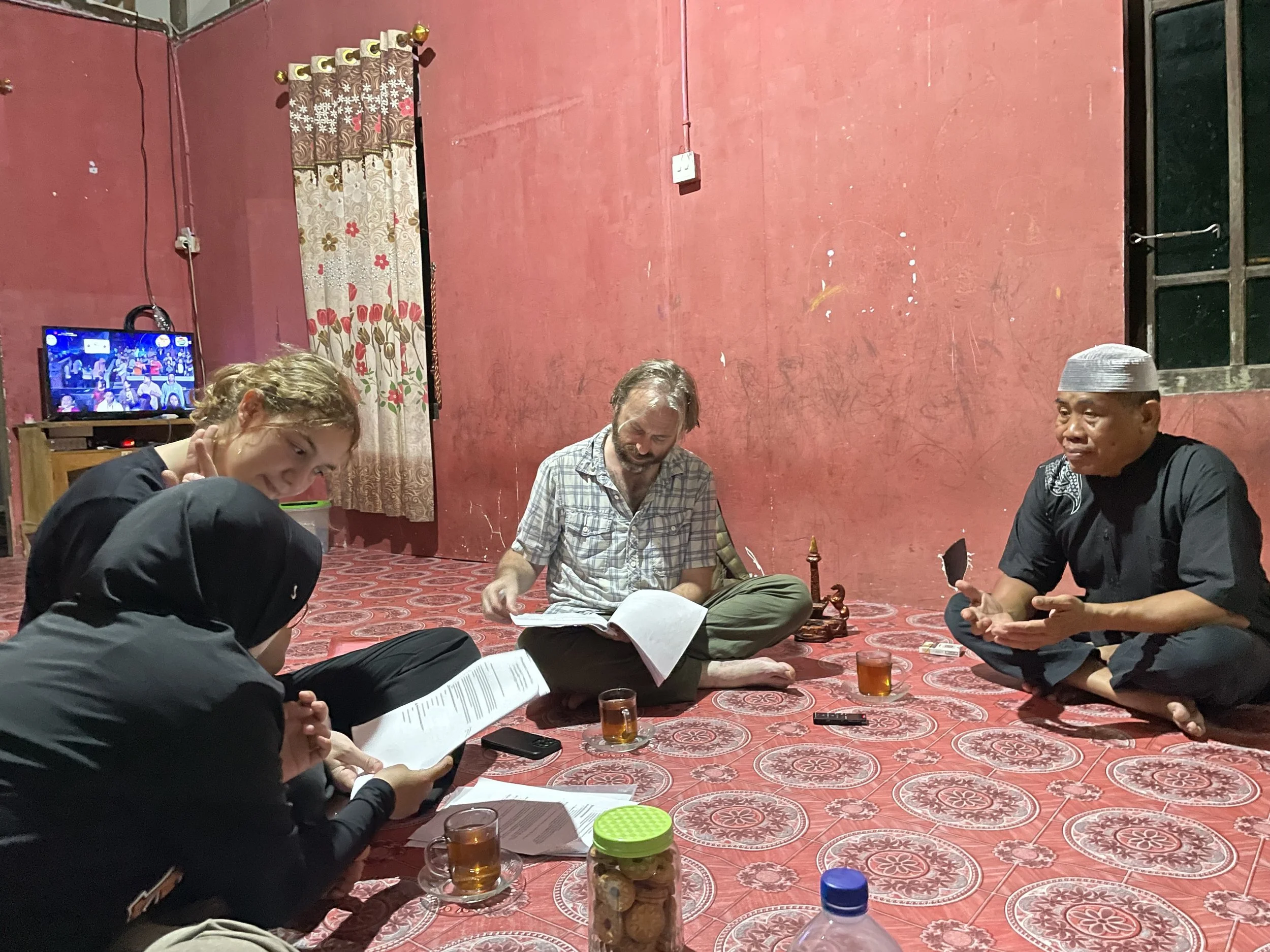
Meet Walker DePuy, Asia Research Institute, National University of Singapore, who shares reflections from his research on Indigenous knowledge, sound, and sustainable urban futures in Indonesia’s emerging capital, Nusantara.
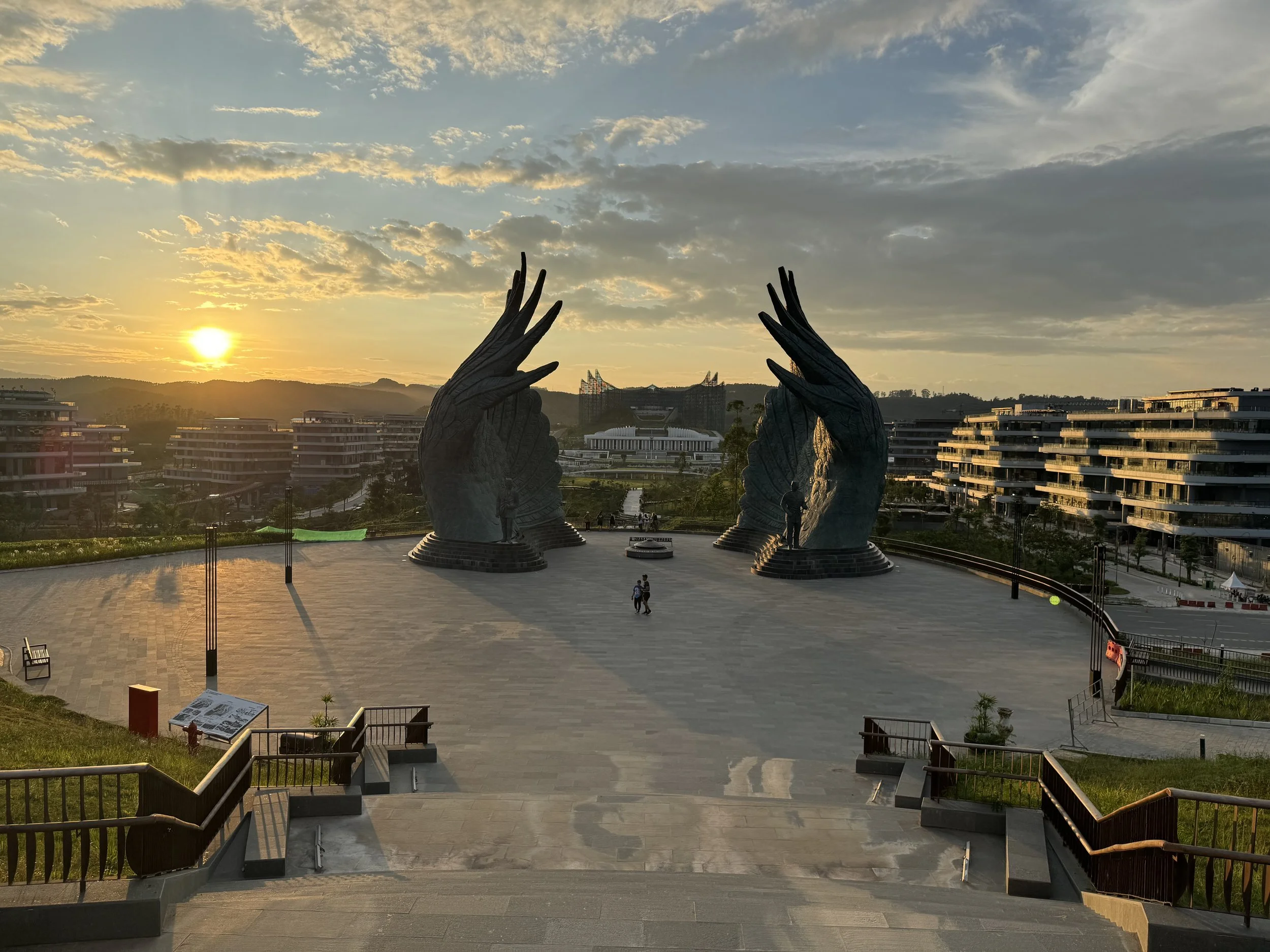
During his AIFIS-supported fieldwork from May to July 2025, Walker DePuy conducted multi-sited ethnographic research in Jakarta and East Kalimantan to examine how Indigenous knowledge and sensory ways of knowing (particularly through sound) can inform Indonesia’s emerging “forest city” vision in Nusantara.
The research focused on understanding “more-than-human” and multi-species relationships embedded in Indigenous, place-based knowledge systems. By emphasizing sound as a key mode of environmental perception, the project explored how alternative ways of knowing can contribute to rethinking human–environment relations in the context of rapid urbanization and ecological change.
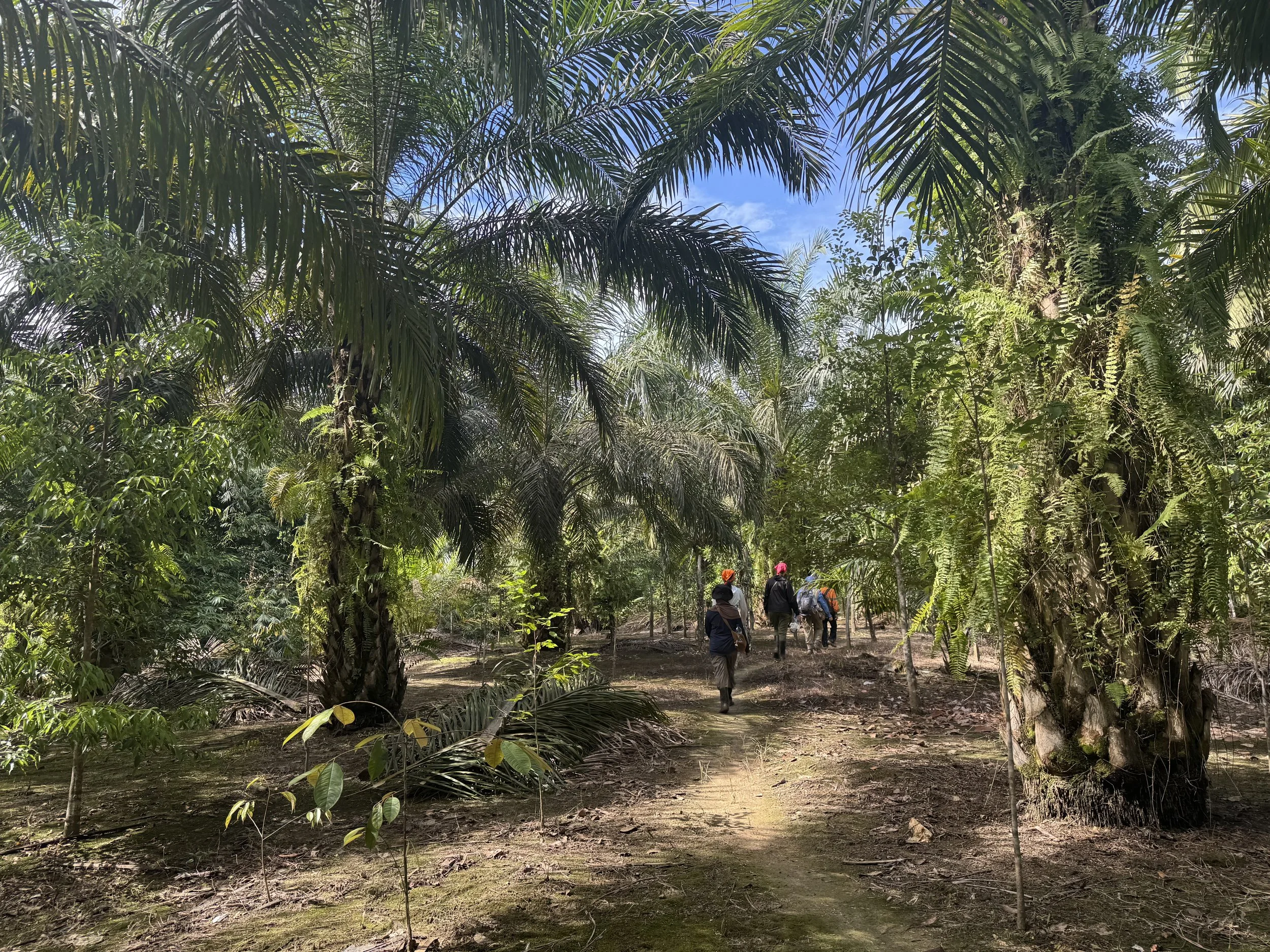
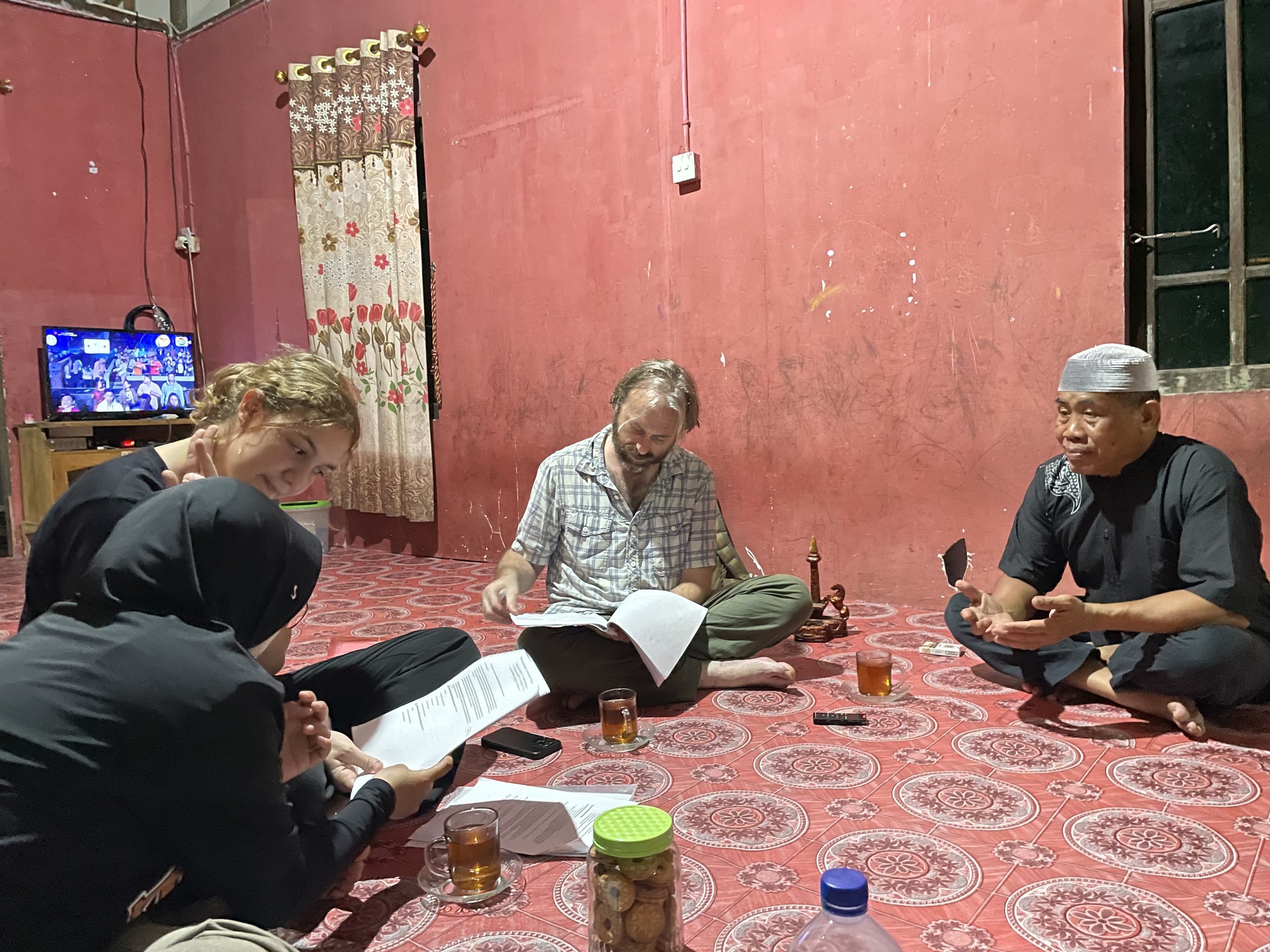
Fieldwork was carried out in collaboration with partners from Cornell University, Universitas Mulawarman (UNMUL), and local communities, including village leaders and elementary schools. The research employed a combination of participant observation, interviews, focus group discussions, and bioacoustic data collection in community forest areas. In addition, air quality monitoring devices were deployed in local schools to connect environmental data with community-based learning.
A central component of the project was collaborative knowledge production. Together with community partners, the research team initiated the development of illustrated children’s books and biocultural heritage materials that document locally significant species and environmental knowledge. These materials were designed to support intergenerational knowledge transmission and reflect community priorities.
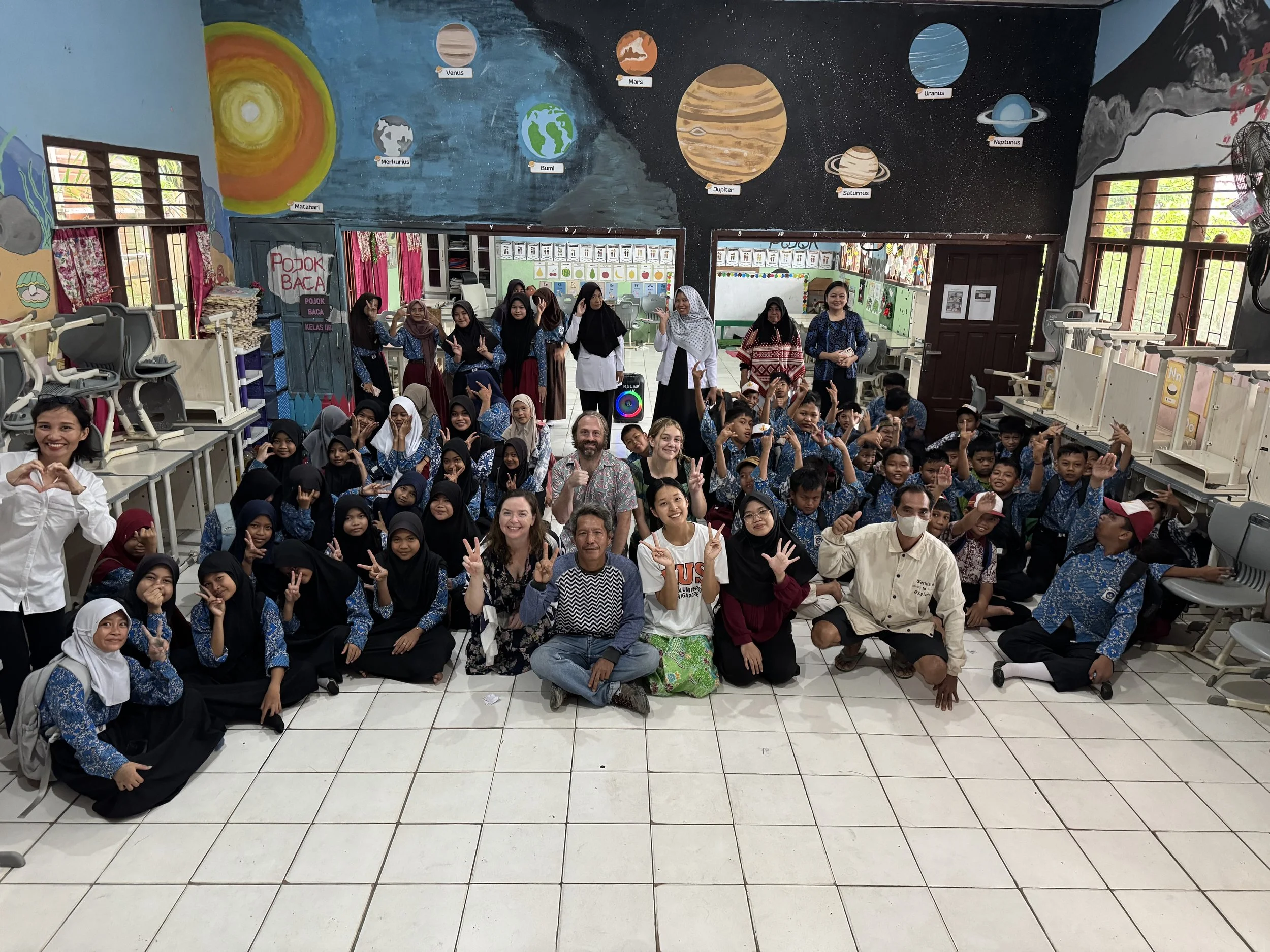
The team also implemented educational outreach programs in partner elementary schools, reaching over 300 students. These programs integrated biodiversity education with acoustic recordings from nearby forest environments, allowing students to engage with local ecosystems through listening as well as observation.
The project further supported international and interdisciplinary collaboration. It involved faculty and students from Indonesia, the United States, and the United Kingdom, including undergraduate researchers who gained training in ethnographic methods and transdisciplinary research. Community partners played a key role not only in facilitating fieldwork but also as co-creators of knowledge and contributors to ongoing publications and outputs.
This research contributes to Indonesian studies by addressing key gaps in the study of green urbanism in Southeast Asia and by centering perspectives from the Global South. It highlights how Indigenous and sensory-based knowledge systems can inform more inclusive and contextually grounded approaches to sustainable urban development. In particular, the project offers insights into how Indonesia’s forest city initiative in Nusantara can incorporate diverse human–environment relationships in responding to climate change and biodiversity challenges.
As part of the dissemination of this work, DePuy delivered a public lecture at the Institute for Advanced Research, Universitas Atma Jaya, Jakarta, facilitated by AIFIS. The presentation provided an opportunity to engage with students and scholars and to strengthen academic exchange between Indonesian and international institutions.