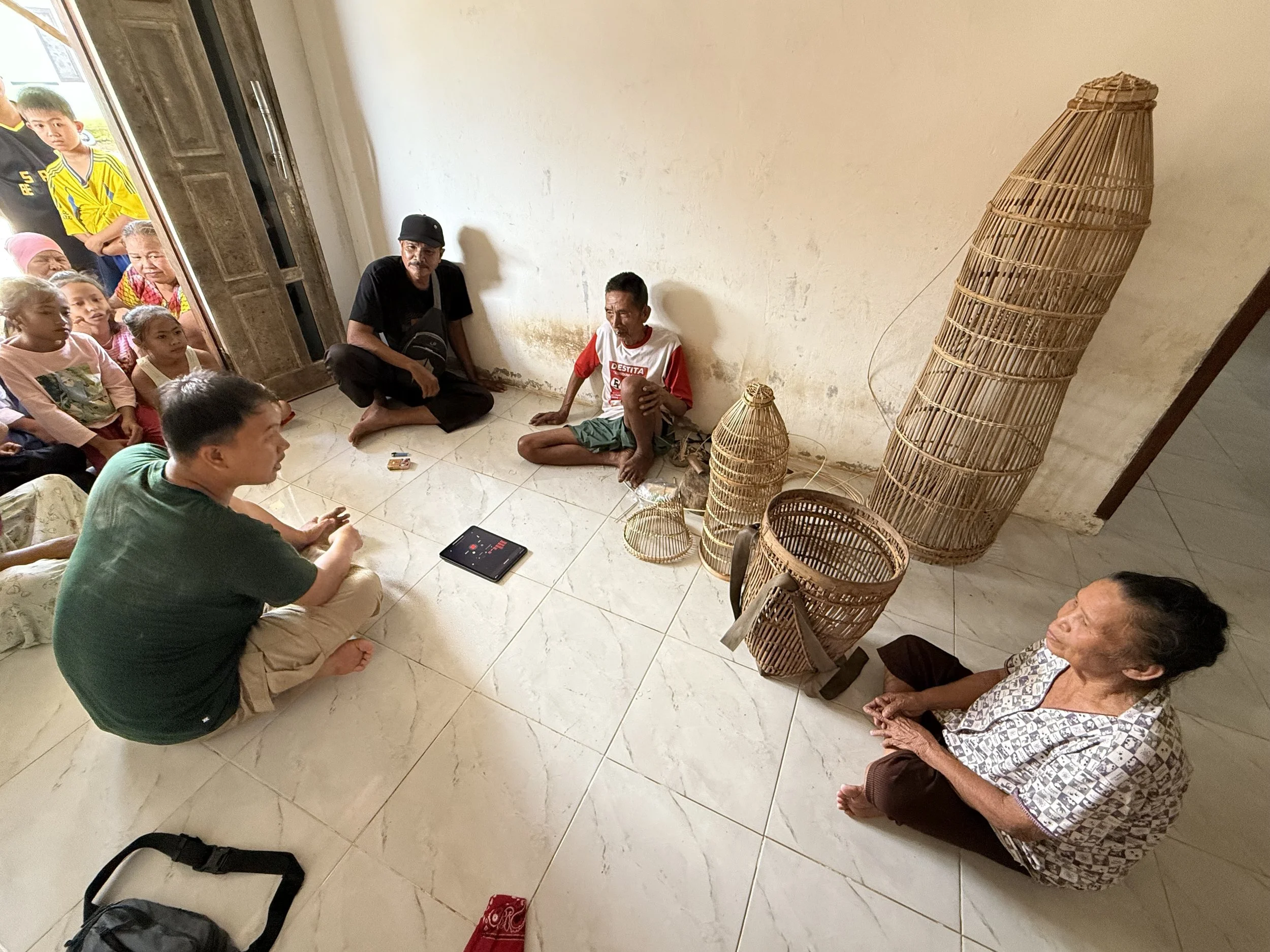
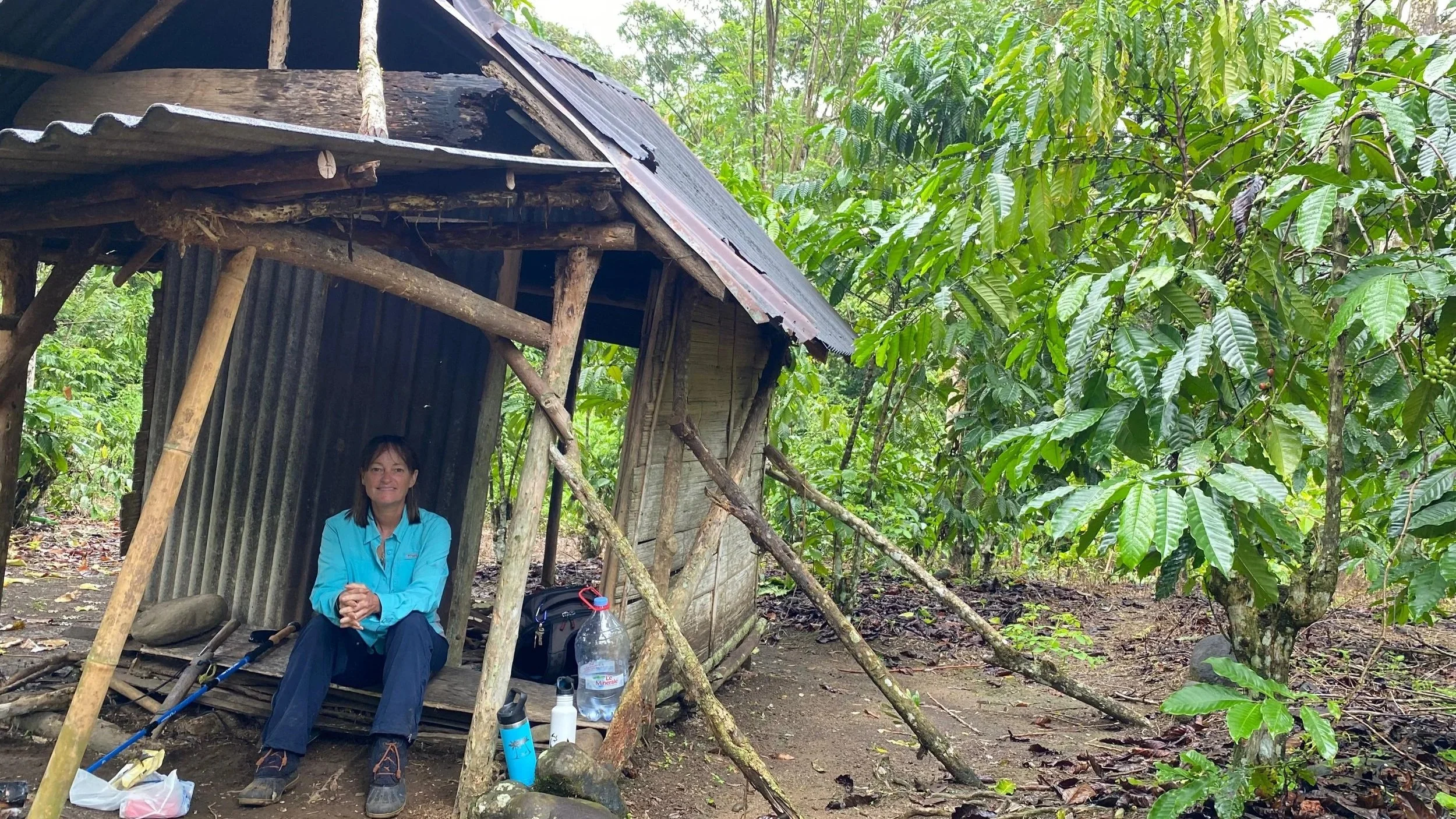
Dr. Patricia G. Patrick (Columbus State University), in collaboration with Dr. Abdul Rahman Singkam (University of Bengkulu) conducted the AIFIS-CAORC sponsored research on “Voices from the Rainforest: Defining Indigenous Perspectives of Ecological Change and Climate Impacts in Sumatra, Indonesia.” The fieldwork took place from September 9 to November 22, 2025. The research examined how farmers in Bengkulu Province, Sumatra, understand ecological change, what they believe is causing it, and how those changes affect their everyday lives.
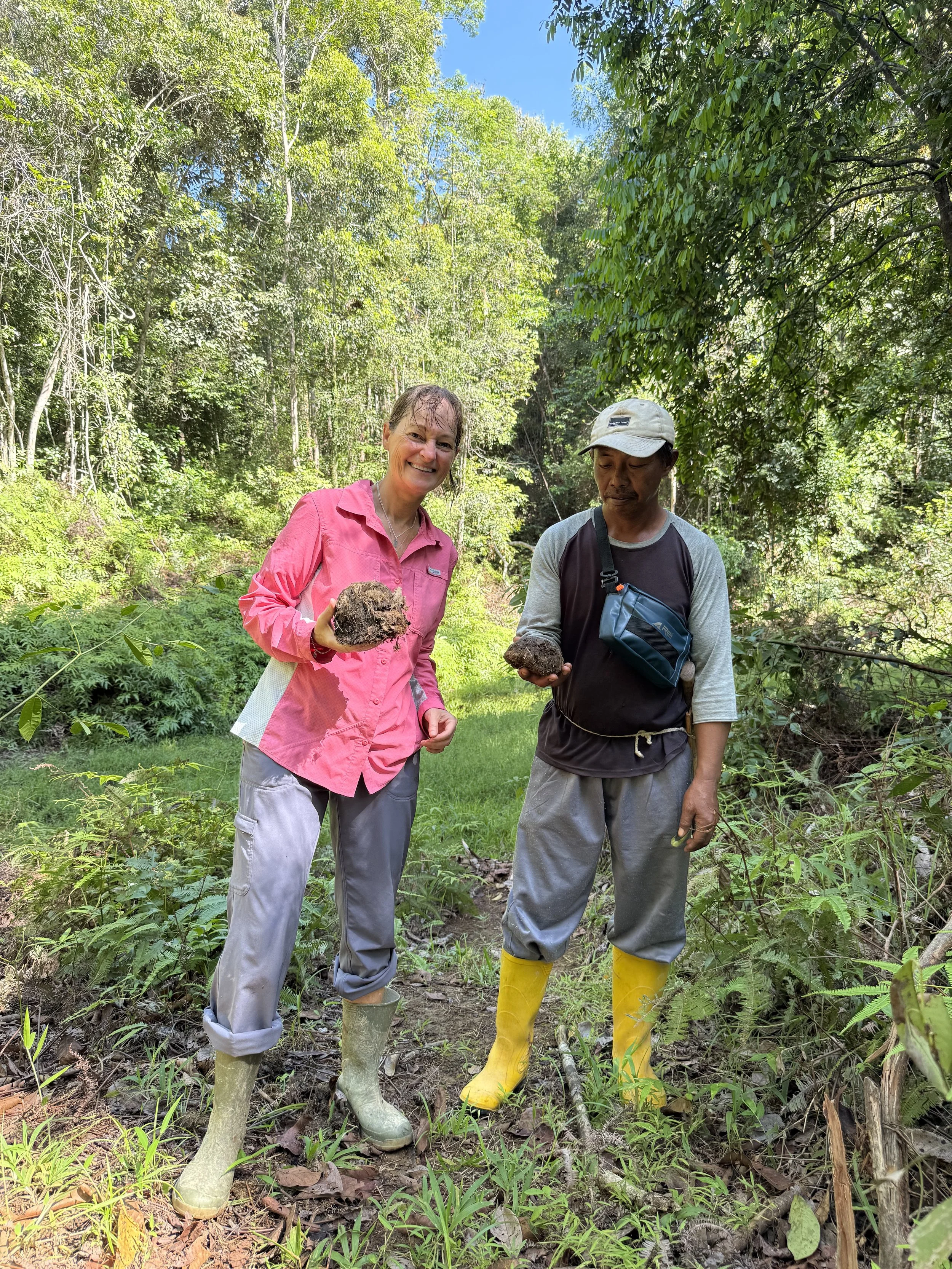
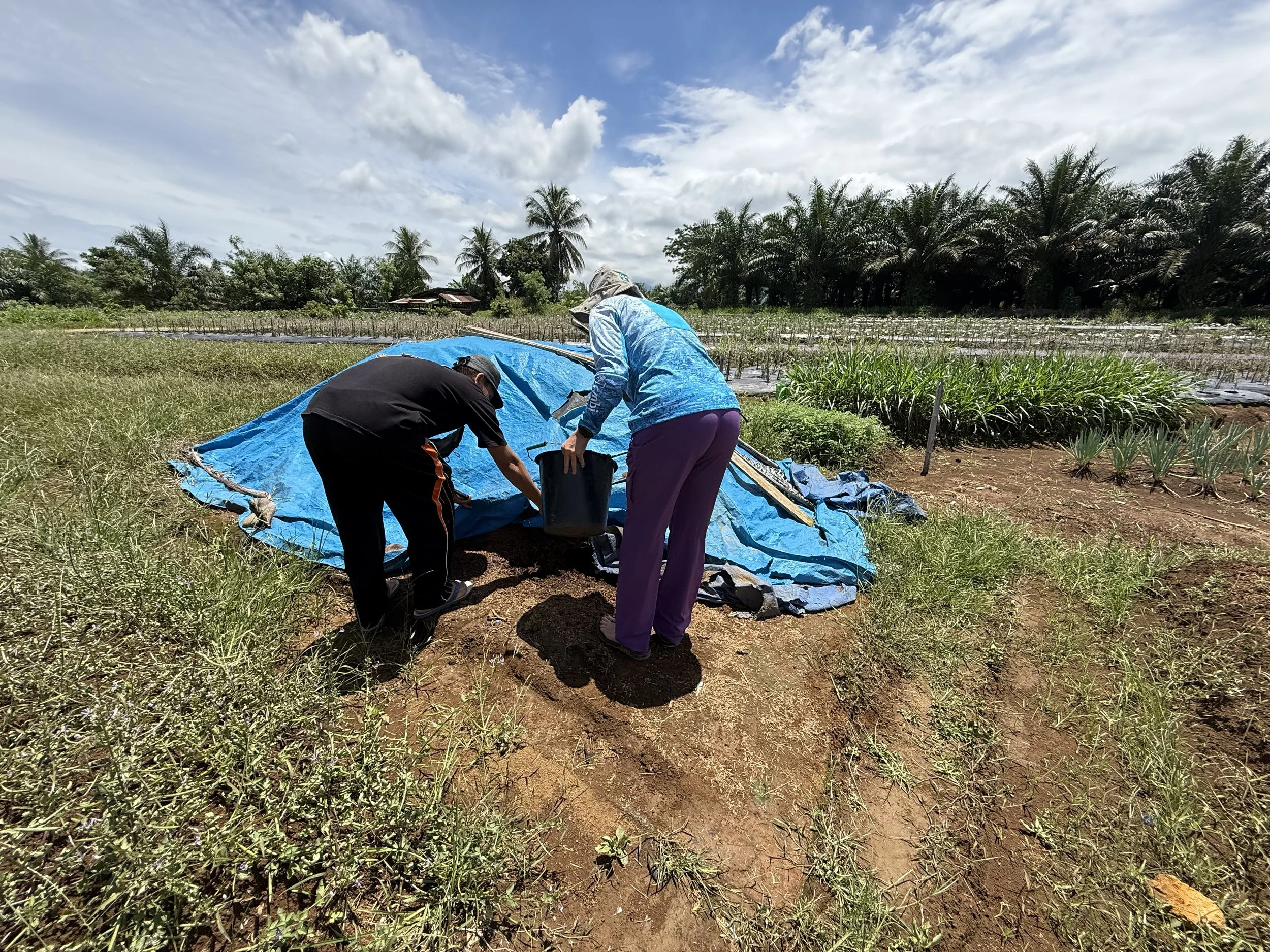
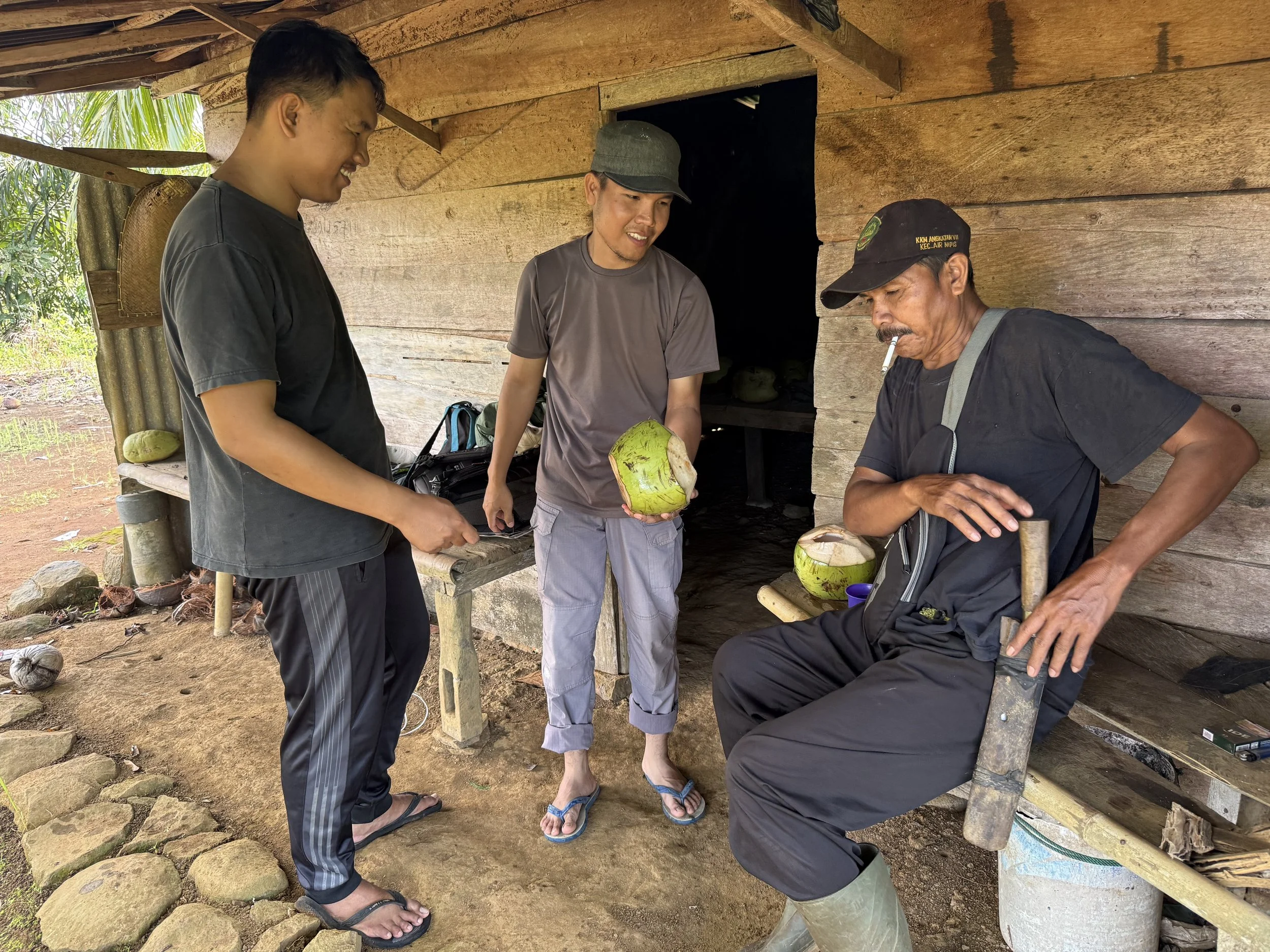
Dr. Patrick conducted fieldwork in two villages, Lemo Nakai and Suka Merindu, spending 14 days in each location and working with 24 farmers in total. Participants contributed through interviews, time spent together in agricultural fields, and photo elicitation, where farmers photographed environmental changes they considered important and then explained the meaning behind those images.
One particularly interesting methodological change was replacing the originally planned WhatsApp-based approach with participant-generated photographs. According to the researcher, this allowed participants to speak more freely because they could discuss environmental changes through things they had personally observed and selected.
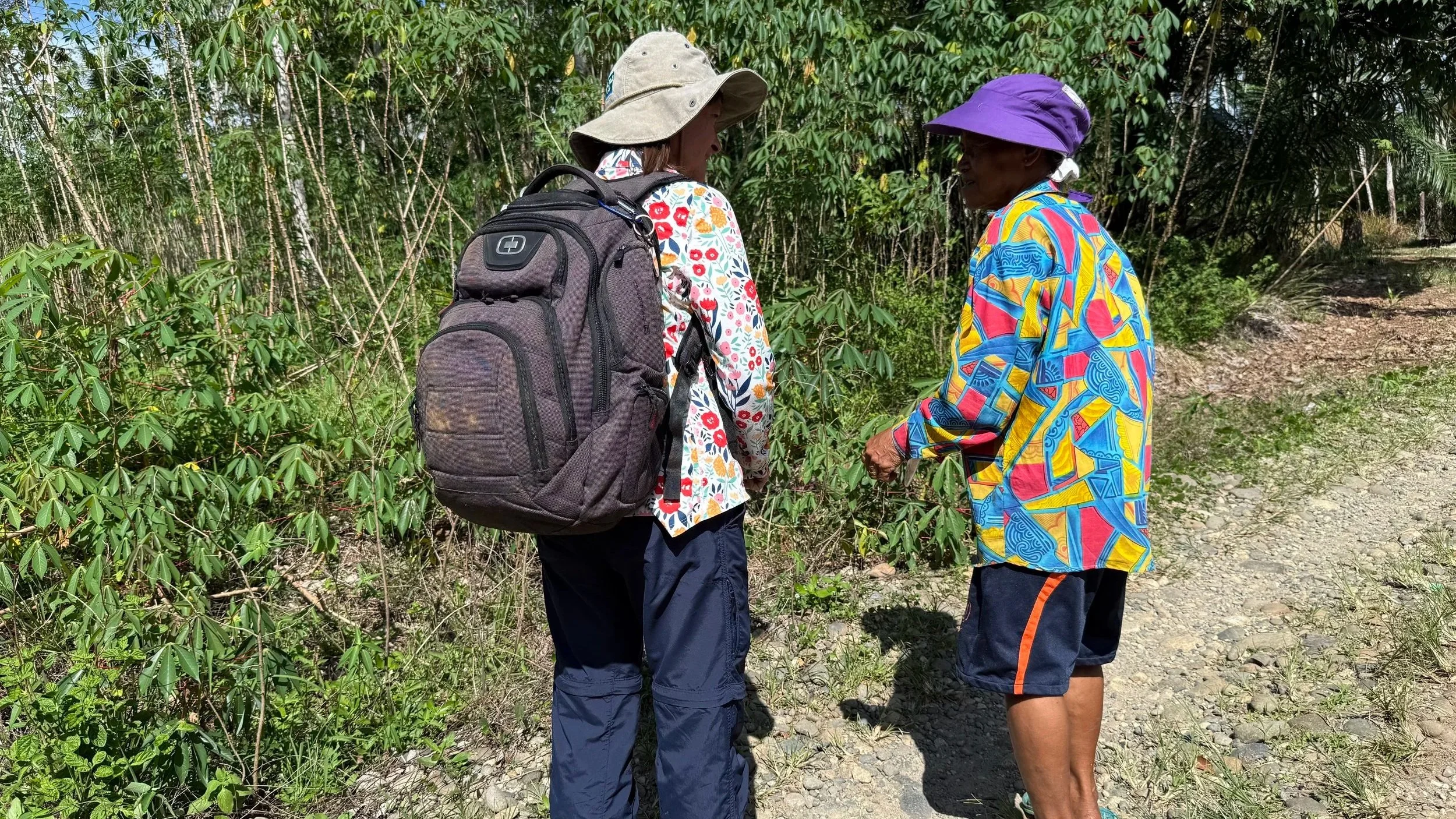
The research also emphasized building trust. One participant initially worried that the researcher might be interested in taking their land. Working alongside farmers in their fields helped create more natural conversations and encouraged participants to share their experiences more openly.
The central finding was a major water crisis. Farmers described water sources that were once reliable but have become increasingly unreliable or have disappeared, particularly during the dry season. They associated these changes strongly with the expansion of oil palm cultivation, which they believe affects water availability and soil conditions.
Farmers also described broader ecological changes, including smaller rivers, changes in soil quality, greater dependence on fertilizer, water becoming unsafe to drink and feeling hotter, loss of forests, and disappearance of animals such as Sumatran elephants, Sumatran tigers, birds, and monkeys.
Perhaps the most compelling finding is the tension between environmental awareness and economic dependence. Farmers recognize the environmental consequences associated with palm oil, but they also depend on palm oil economically and receive support through government programs. As the report puts it, farmers want both economic stability and environmental protection but do not see a viable way to achieve both.
The project also develops the researchers' “Sense of Conservation” framework. Farmers' memories of forests, animals, and reliable water systems influence how they understand the environmental changes they are experiencing. One participant expressed this particularly powerfully by saying that the water “can no longer return to the way it used to be.”
The research therefore highlights a gap between environmental knowledge and available choices. Farmers may understand environmental problems but still continue practices such as palm oil cultivation because alternative economic pathways are limited and trust in government support for alternative crops is constrained.
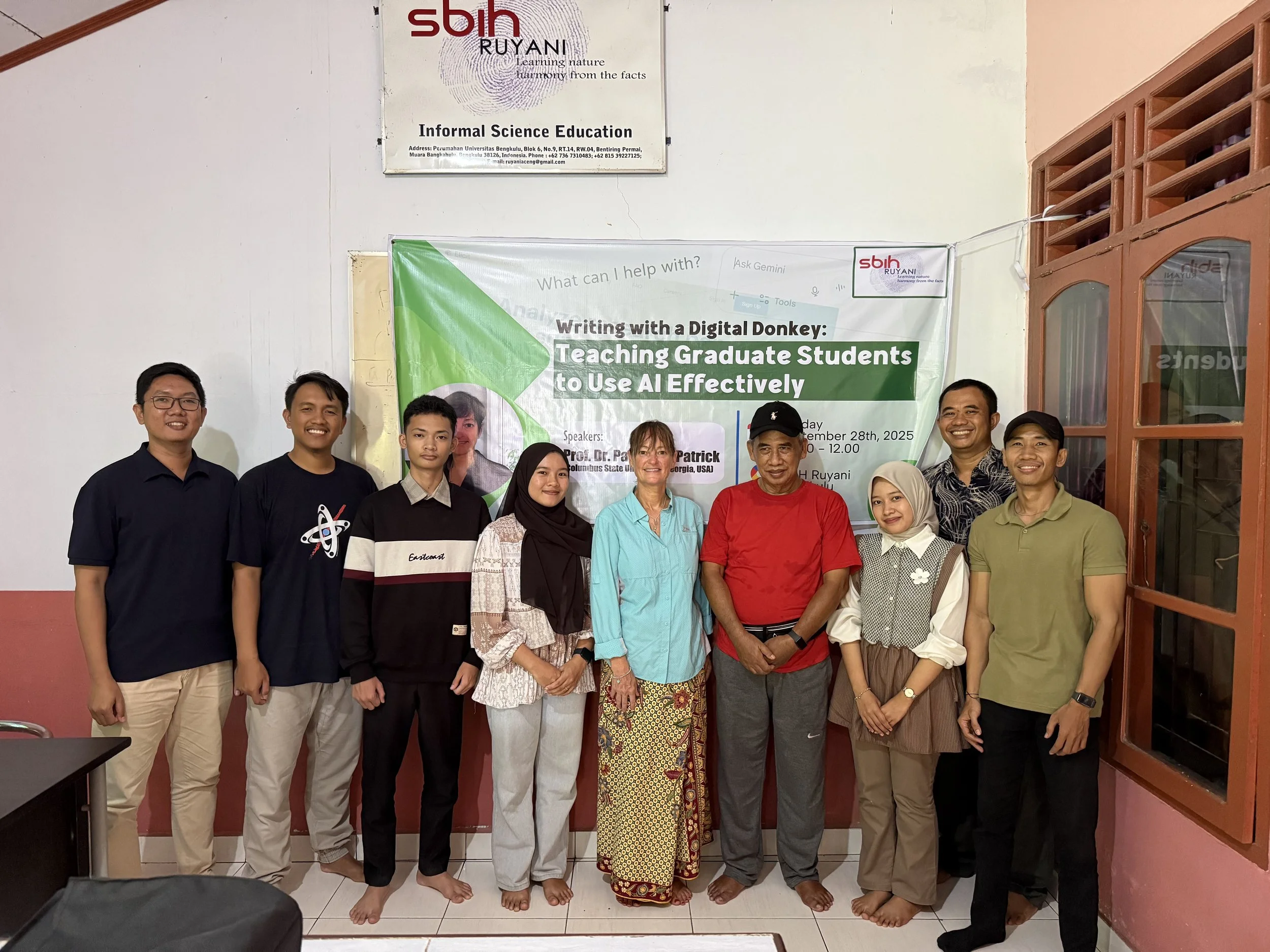
The project was conducted with Dr. Abdul Rahman Singkam of the University of Bengkulu, providing an important U.S.–Indonesia research collaboration and local institutional connection.